NewsHail
29 May 2025
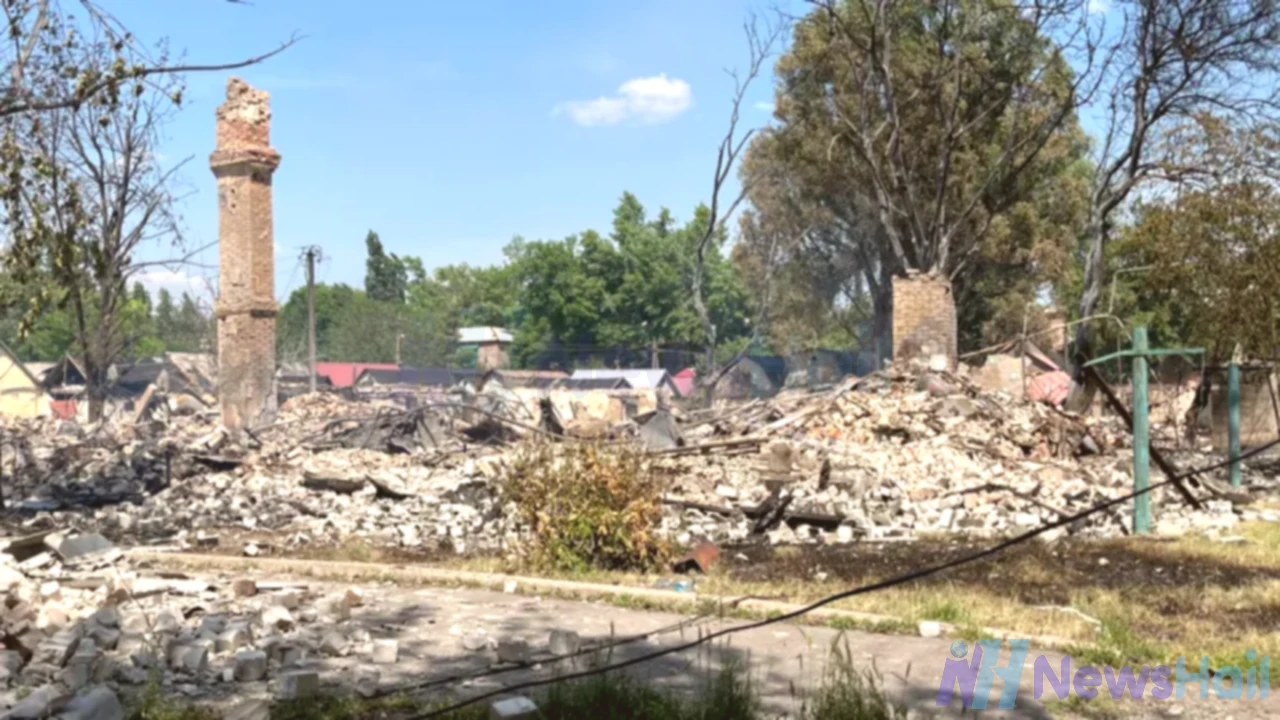
A strong, bitter smell hangs in the air over Rodynske. Soon after we enter the town, we see why.
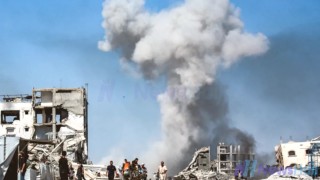
A 250kg glide bomb has hit the main town office. It also destroyed three apartment blocks. We are here a day later, but some parts of the wreckage are still smoking. From the edges of town, we hear gunfire. It’s Ukrainian troops shooting down drones.
Rodynske is about 15km (9 miles) north of Pokrovsk. Russia has tried to take Pokrovsk from the south since last fall. But Ukraine has kept them out so far.
Now Russia is using a new plan. They want to trap the city and cut off supplies.
In the last two weeks, talks for peace have failed. Russia has pushed harder. They have made their biggest gains since January.
Rodynske shows the proof.
A few minutes after we arrive, we hear a Russian drone above us. We run to the nearest cover — a tree.
We press against the tree, hoping the drone won’t see us. Then we hear a loud boom. A second drone has hit nearby. The first drone is still above us. We hear the scary buzzing of what is now one of the deadliest weapons in this war.
When the buzzing stops, we run to an empty building 100 feet away.
Inside, we hear the drone again. It may have returned after spotting us.
This shows Russian drones are flying from places closer than we thought. Most likely, they are now near a key road from east of Pokrovsk to Kostyantynivka.
After 30 minutes in hiding, the drone leaves. We run to our car under a tree and drive away fast. On the highway, we see smoke. A drone may have been shot down.
Rodynske is now a broken town, smashed by bombs and drones.
We drive to Bilytske, which is farther from the front. We see homes hit by a missile the night before. One was Svitlana’s home.
“It’s getting worse,” says Svitlana, 61. “Before, the blasts were far away. Now they are hitting us too.”
She points to more damage. “Go to the town center. It’s all destroyed. Even the bakery and zoo are gone.”
At a safe place nearby, we meet soldiers from the 5th Assault Brigade.
“Russia is attacking harder,” says Serhii. “They use rockets, mortars, and drones to block our supply roads.”
His group has waited three days to move. They need clouds or strong winds to hide from drones.
Today, drones are a big threat. One new kind is the fibre optic drone. It has a long cable that links the drone to the pilot.
“The drone sends video through the cable, not radio waves,” says a drone engineer called Moderator. “That means jamming won’t work.”
When drones first came into use, both sides had gear to block them. But fibre optic drones beat those systems. Russia is ahead in using them, though Ukraine is catching up.
“Russia used them first. We were still testing ours,” says Venia, a drone pilot. “These drones can fly low. They can even go inside buildings.”
Serhii jokes, “Maybe we should carry scissors to cut the cord.”
But these drones are slow, and trees can tangle the cable. Still, they make moving troops very risky.
“When you move to a new spot, you don’t know if a drone saw you,” says Oles, a scout leader. “If it did, you might only have hours left to live.”
Because of this, troops stay longer in one place.
Oles and Maksym are infantry soldiers. They fight from trenches. It’s too dangerous now for reporters to go there, so we meet them at a nearby house they use to rest.
“I once stayed in the trench for 31 days,” says Maksym. “Some guys stayed 90 or even 120 days. Before drones, we switched every 3 to 7 days.”
“War is blood, death, and cold,” he says. “We went three days without sleep once. Russia kept coming, wave after wave. A short mistake could mean death.”
Oles says Russia’s troops have also changed. “Before, they came in groups. Now they send one or two at a time. Sometimes they ride motorcycles or small bikes. They sneak in.”
That means the front lines are messy. Troops from both sides can be close, like pieces on a chessboard.
It also makes it hard to track who is gaining ground.
Even with Russia’s gains, taking all of Donetsk will not be fast or easy.
Ukraine is fighting hard. But they need more weapons and ammo.
And now, as the war enters its fourth summer, Ukraine’s troop shortage shows. Most of the fighters we meet joined after the war began. They had a few months of training, then had to learn more while fighting.
Maksym used to work for a drinks company. Now he’s a soldier.
We ask how his family handles it.
“It’s hard,” he says. “My family supports me. But I have a two-year-old son. I don’t see him much. I call him on video. That helps.”
Then he goes quiet. His eyes fill with tears.
Maksym is a soldier. But he’s also a dad who misses his little boy.