
NewsHail
26 May 2025
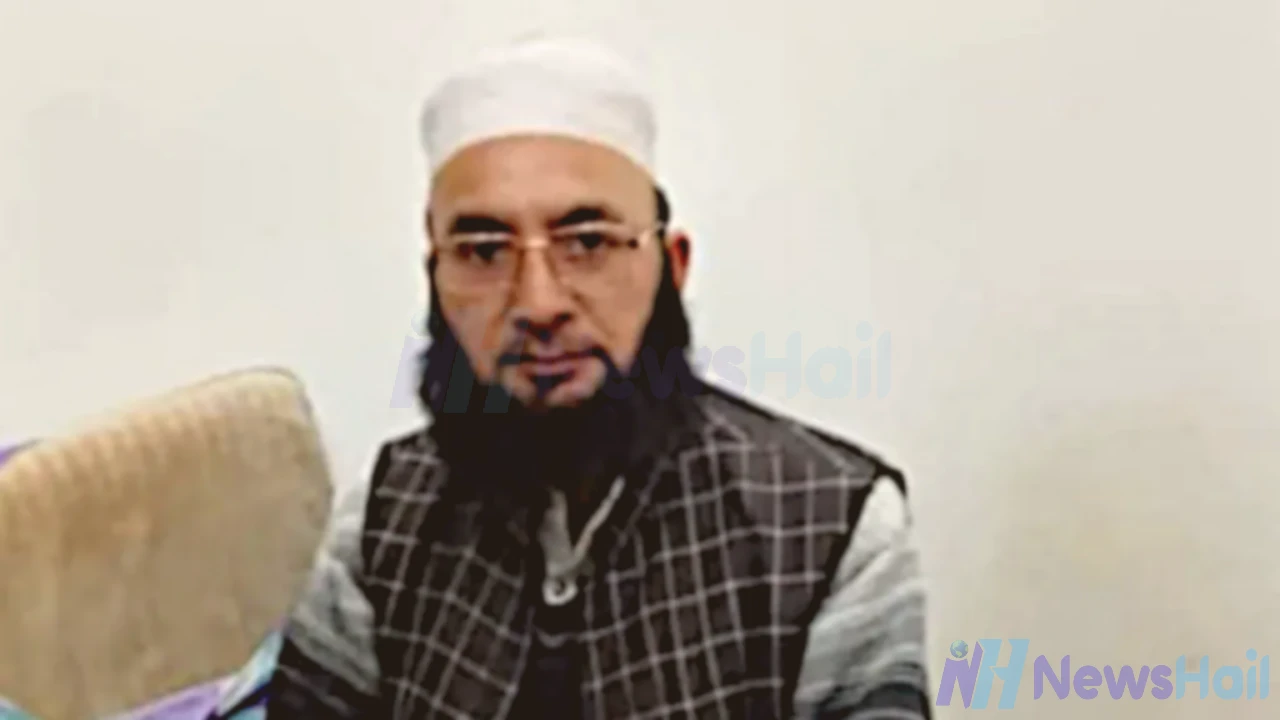
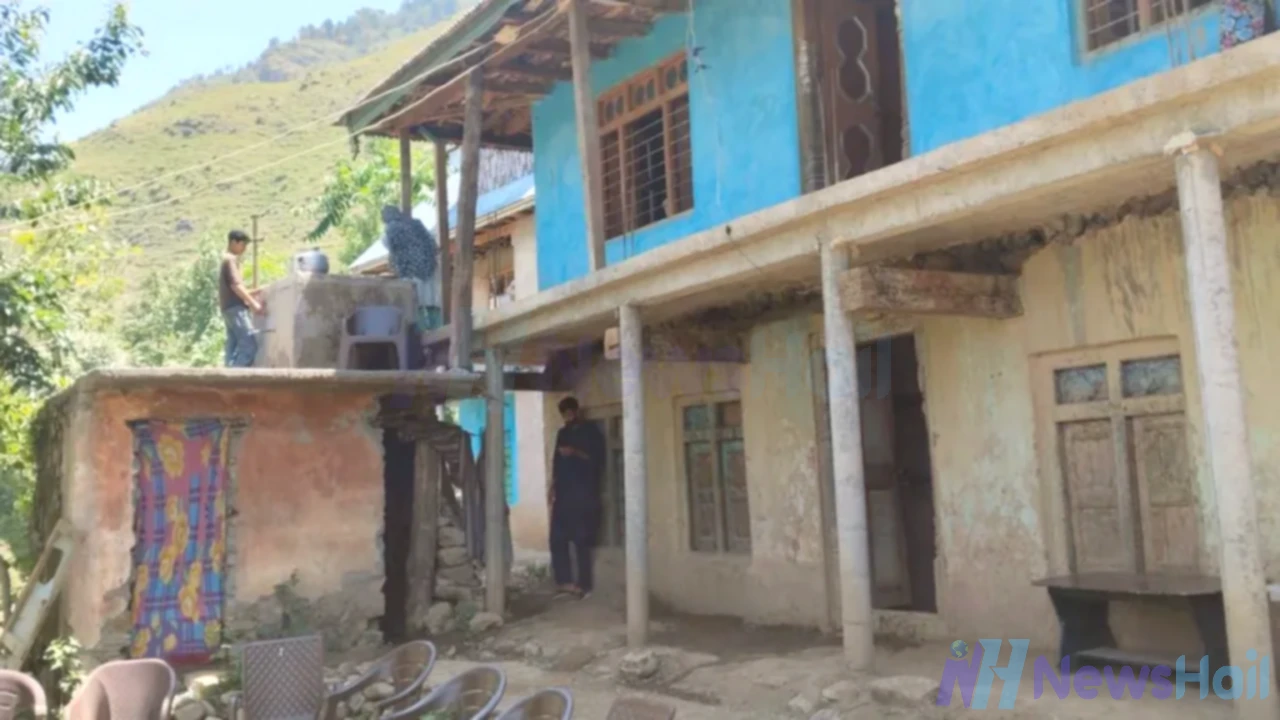
Farooq Ahmed is angry when he talks about his brother’s death.
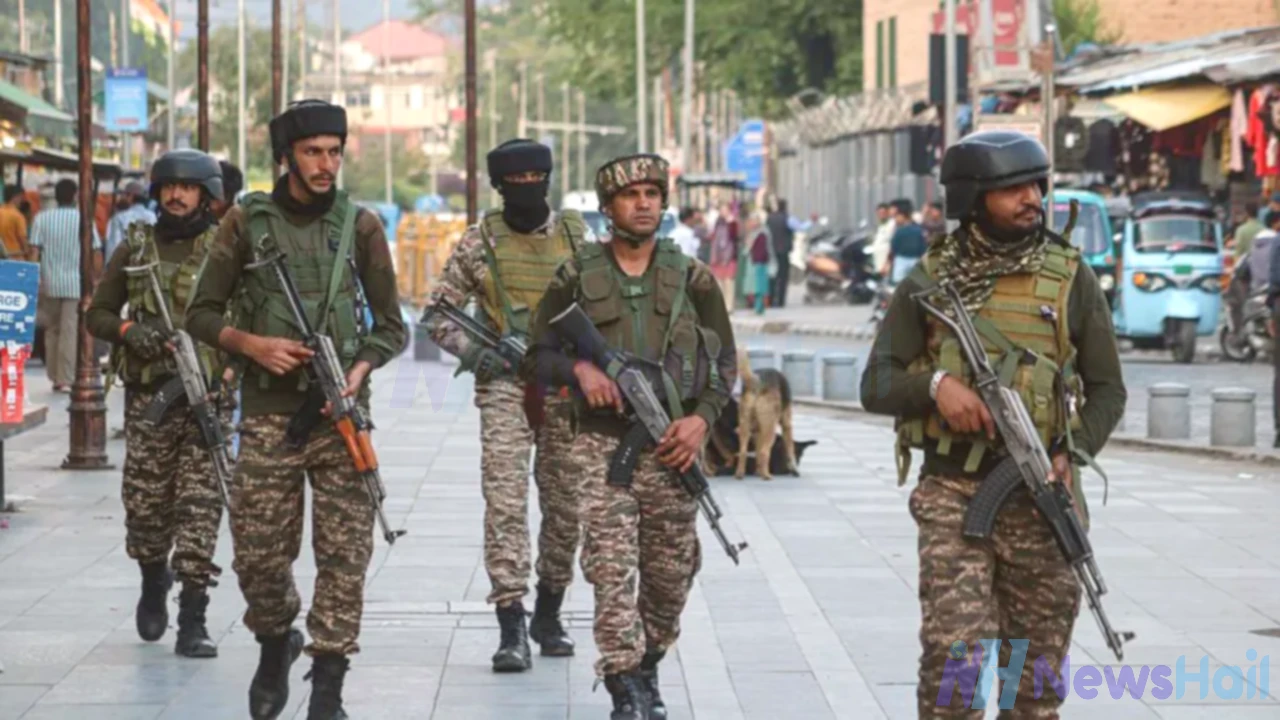
Mohammad Iqbal lived in Poonch city, in Indian-controlled Kashmir. He died on 7 May in cross-border shelling. This happened the day after India launched air strikes on Pakistan and Pakistan-controlled Kashmir. India did this after a militant attack in Pahalgam killed 26 people. Pakistan says it had nothing to do with that attack.
Iqbal worked for over 20 years at a madrassa, a religious school, in Poonch. But after he died, the family’s troubles began.
Some media channels said Iqbal was a terrorist. This was false. Police later said it was not true.
“My brother was a teacher,” says Farooq Ahmed. “But because he had a beard and wore a skullcap, they called him a terrorist.”
He says, “It was like rubbing salt into our wounds. We lost Iqbal, and then the media defamed him. The dead cannot defend themselves.”
Officials say 16 people died in the cross-border shelling, including Iqbal. Pakistan says 40 civilians died, but it is not clear how many were from the shelling.
India and Pakistan have had a tense relationship for many years. Both claim Kashmir but control parts of it. They fought three wars over Kashmir since 1947 and almost fought another recently.
During the conflict, there was also a war of fake news on social media and TV. Wrong information spread quickly.
Some false news was easy to spot, like a claim that India destroyed Karachi port. Other fake news was harder to see, like a fake video of a Pakistan army general.
Manisha Pande, a news editor, said the media coverage was very extreme and irresponsible.
Farooq Ahmed does not know where the false news about his brother came from.
“Who told them my brother was a terrorist?” he asks.
Weeks later, the family is still shocked.
On 7 May, Iqbal left for work as usual. But his body came home. By noon, he was buried.
At first, the family did not know about the fake news. They were busy with funeral rites.
Hours later, a relative got a video from WhatsApp. It showed a news channel saying the army killed a terrorist. It showed Iqbal’s picture.
“We were shocked,” says Farooq Ahmed. “Then more people called us, asking why the media called Iqbal a terrorist.”
Channels like Zee News, ABP, and News18 showed the false news. BBC asked these channels for comment.
One channel said Iqbal died in an Indian strike on a terrorist camp in Pakistan-controlled Kashmir. They said he worked with Lashkar-e-Taiba, a Pakistan terror group.
“Our family has lived in Poonch for generations. How can they say my brother was in Pakistan?” says Farooq Ahmed. “They should be ashamed.”
The false news spread fast. On 8 May, Poonch police said it was wrong.
The police said Iqbal was a respected religious teacher with no terror links. They said they would take legal action against those spreading false news.
For Farooq Ahmed, it was too late.
“By then, millions had already seen the fake news,” he says.
Only News18 apologized. The others did not.
Farooq Ahmed wants to sue the channels. But his family needs money first.
Iqbal left behind two wives and eight children. He was the only one earning money.
The government gave some compensation. But it will last only a year or two.
“The whole family depended on my brother,” says Farooq Ahmed. “He was quiet and gentle and loved teaching children.”
“But who will tell the world the truth? Many still think my brother was a terrorist. How will they understand our pain?”


