
NewsHail
28 May 2025
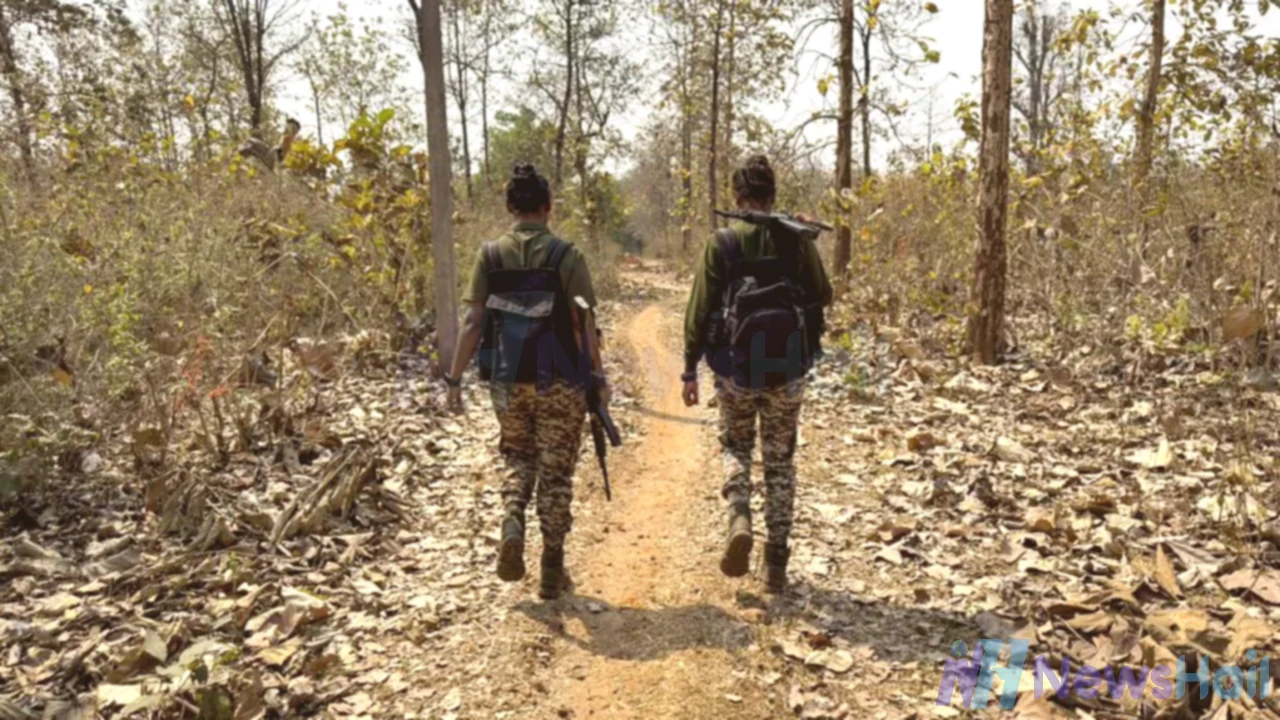
India may be close to ending its long fight with Maoist rebels. Last week, the army killed the country’s most-wanted Maoist leader, Nambala Keshava Rao, known as Basavaraju, along with 26 others. The clash happened in the state of Chhattisgarh. One police officer also died.
This was a big win for the government. Basavaraju led Maoists in Bastar, a forest area where the rebels were strong for decades.
Maoists are also called Naxalites. They first rose up in 1967 in a village in West Bengal. Over time, they built a “red corridor” from Jharkhand to Maharashtra, covering large parts of India. Former Prime Minister Manmohan Singh once called them India’s biggest threat.
The Maoists say they fight for poor people and tribal groups. They claim the government has ignored these groups and taken their land.
The Maoist group, called CPI (Maoist), was formed in 2004. It follows old communist ideas, dating back to a 1946 farmer uprising in Telangana.
In the past year, security forces killed nearly 400 rebels. The Modi government wants to end the movement by March 2026. But will this really be the end?
Some experts are not sure. N Venugopal, a journalist who studies the rebels, says Maoism has survived many setbacks before. He says there may be a pause, but the fight could return.
But MA Ganapathy, a top official in the Home Ministry, believes the movement is almost over. He says young people are no longer interested in old ideas of armed revolution.
Violent Maoist attacks have dropped by 48% from 2013 to 2023. Deaths have fallen by 65%. But police deaths went up slightly in 2023 because of more action in Maoist areas.
Chhattisgarh remains the worst-hit state, with 63% of incidents and 66% of deaths. Jharkhand comes next, with 27% of the violence.
In the past, Chhattisgarh’s police were weak. But now, they work better with central forces. Local police gather info; paramilitary forces fight. This has made operations more effective.
More people now use phones, roads, and social media, making it harder for Maoists to stay hidden. People now want better lives, not violence. Without local support, the rebels are weak.
One former rebel supporter says the group failed to turn its work into real politics. The old idea of creating “liberated zones” in forests no longer works. Once the government fights back, those zones fall apart.
The Maoist plan still follows a strategy from the Mao era—to surround cities from rural areas. But many now feel this idea is outdated.
Today, Maoist rebels are only strong in a few places in Maharashtra, Odisha, Jharkhand, and southern Chhattisgarh. But they have lost many leaders and fighters in recent years.
Venugopal says the rebels need a new plan—not armed struggle alone. He suggests they should take part in politics.
Ganapathy thinks now is the best time for the rebels to talk with the government. He says they should stop fighting and come forward with their demands.
In Telangana and Andhra Pradesh, some political parties still support peace talks. Civil rights groups also want a ceasefire, followed by dialogue.
These areas are also rich in minerals, like coal, iron, and tin. Big companies have wanted to mine here, but the Maoists blocked them for years. Now that the rebels are weaker, the government is selling off mines.
Venugopal warns that even if the Maoists fade, the anger remains. He says injustice will still lead to new protests. They may not be called “Maoist” in the future, but the fight will go on in some form.


