
NewsHail
23 May 2025
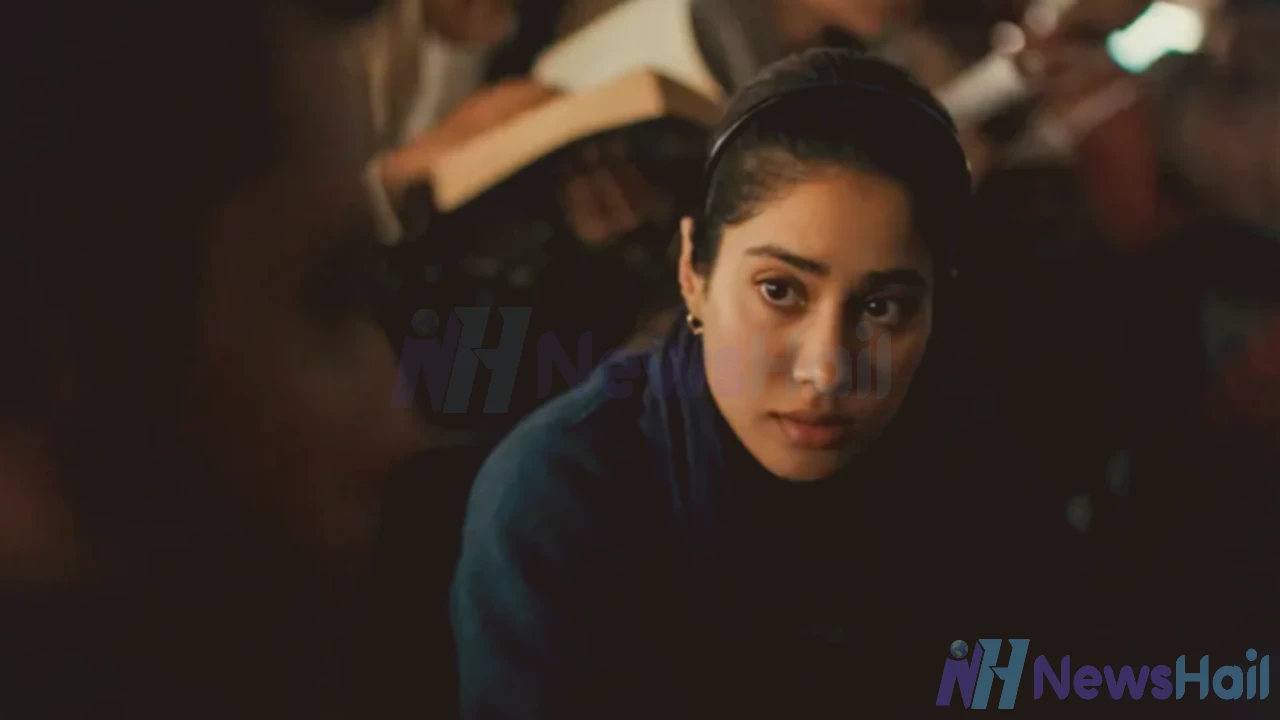
In 2010, Indian filmmaker Neeraj Ghaywan made a strong debut at Cannes with Masaan. The film tells a sad story about love, loss, and the harsh caste system. It is set in the holy city of Varanasi.
The main actor, Vicky Kaushal, played a man who had a job given to one of the lowest castes. He cremated dead bodies by the Ganges River. Masaan was shown in the "Un Certain Regard" section at Cannes. This section shows films with new styles or unusual stories. The film won two prizes: the FIPRESCI prize and the Avenir prize, which means “Promising Future.”
After that, Ghaywan wanted to tell stories about India’s poor and marginalized people. Five years ago, during the pandemic, his friend Somen Mishra told him about an article called Taking Amrit Home. The article was in The New York Times and was written by journalist Basharat Peer.
Ghaywan liked the article because it told about many Indians who walked long distances to reach home during the strict lockdown. But the article also told a deeper story. It was about two friends from childhood. One was Muslim, and the other was Dalit, a group once called “untouchables.”
Ghaywan’s new film Homebound is based on this article. It premiered at Cannes in the "Un Certain Regard" section this year. The film ended with a nine-minute standing ovation. Many in the audience were crying. Ghaywan hugged the main producer, Karan Johar. Later, he and the young lead actors — Ishan Khatter, Vishal Jethwa, and Janhvi Kapoor — shared a big group hug.
Since this was a major South Asian event at Cannes 2025, many film stars came to support it. Mira Nair from India, who won a prize in 1988 for Salaam Bombay, reached out to Johar. Siam Sadiq from Pakistan, who won a prize in 2022 for Joyland, made a video of the crowd and posted it on Instagram.
The film also got support from a surprise guest. The main producer is Johar, a famous commercial Indian filmmaker known for hits like Kabhi Khushi Kabhie Gham. But last month, Martin Scorsese became the executive producer after French producer Mélita Toscan du Plantier introduced him to the film.
This is the first time Scorsese has backed a modern Indian film. Before, he only helped restore old classic Indian movies.
“I saw Neeraj’s first film Masaan in 2015 and loved it. So when Mélita sent me his new project, I was curious,” said Scorsese. “I loved the story and culture. I wanted to help. Neeraj made a beautiful film. It is an important part of Indian cinema.”
Ghaywan said Scorsese helped the team with many edits. He also tried to learn about the culture. This helped their ideas grow.
The culture is very important to Ghaywan. He wanted to get the right feeling for the story.
The two main characters — Mohammed Shoaib Ali (played by Khatter) and Chandan Kumar (played by Jethwa) — have shared pasts. Both face discrimination from upper-caste Hindus. But they share hopes to rise above these barriers by joining the police.
Ghaywan openly says he was born into a Dalit family. This fact has shaped his life since childhood.
As an adult, he studied business and worked in a corporate job near Delhi. He says he never faced discrimination at work. But he always felt the weight of his caste.
“I am the only known person from my community to work in front of and behind the camera in Hindi cinema history. That shows the big gap we live with,” he said.
Most of India lives in villages, but Hindi films rarely show village life, says Ghaywan. He is also upset that poor communities are only seen as numbers in reports.
“What if we pick one person from those numbers and see their life? How did they reach this point? That story is worth telling,” he says.
When Ghaywan wrote the script, he made up backstories for the two leads until they start their journey during Covid — the start of Peer's article.
As a child in Hyderabad, Ghaywan had a close Muslim friend named Asghar. This made him connect deeply to Ali and Kumar’s story.
“What I liked most was the humanity behind it — the friendship and feelings,” he says. It reminded him of his childhood in Hyderabad.
In Homebound, Ghaywan shows the warm light of winter sun. The film is beautifully shot in rural North India. It shows the simple joys and hard struggles of its Muslim and Dalit main characters. The two men, and the woman one of them loves (played by Kapoor and Jethwa, both Dalits), give the audience much to think about.
The script keeps viewers on edge. In 2019, no one understood how big the pandemic would be. But the film hints at a big change. It shows how a crisis affects all, no matter their class, caste, or religion.
Homebound mixes fiction with real events to tell a true story. It not only moves people to tears but also makes them think deeply. It will start talks about those who live in the shadows.


