
NewsHail
26 May 2025
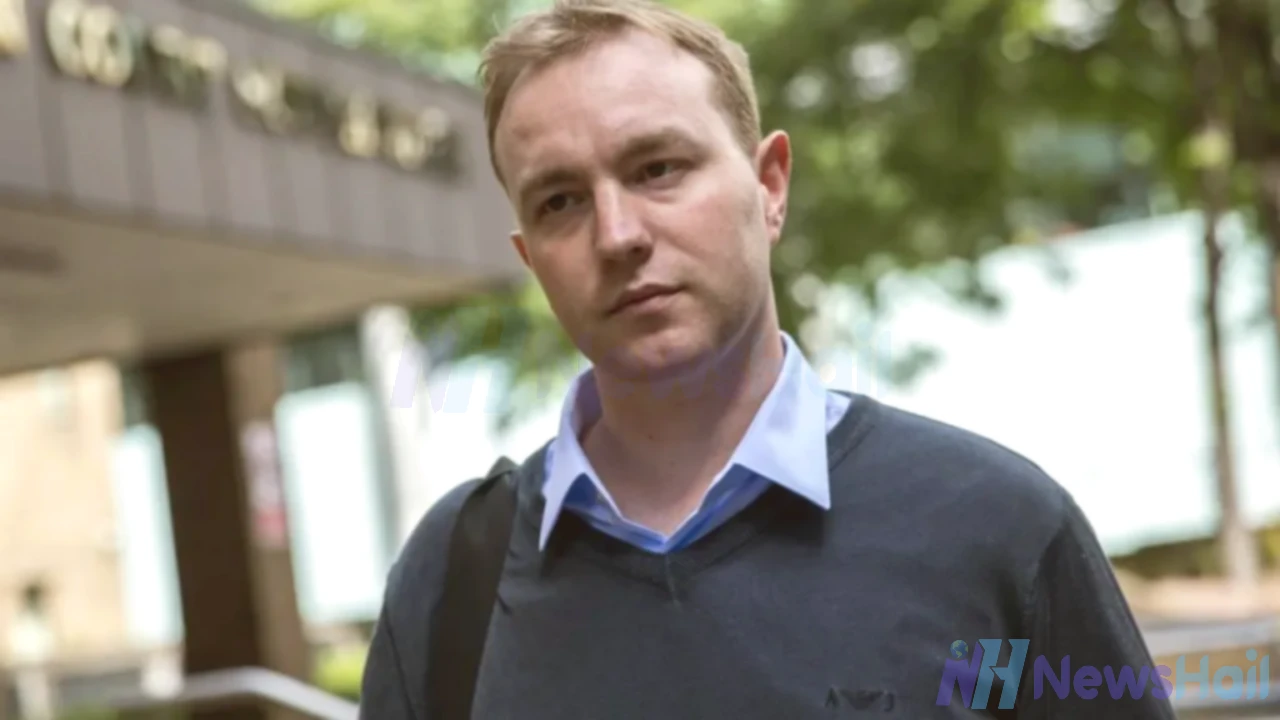
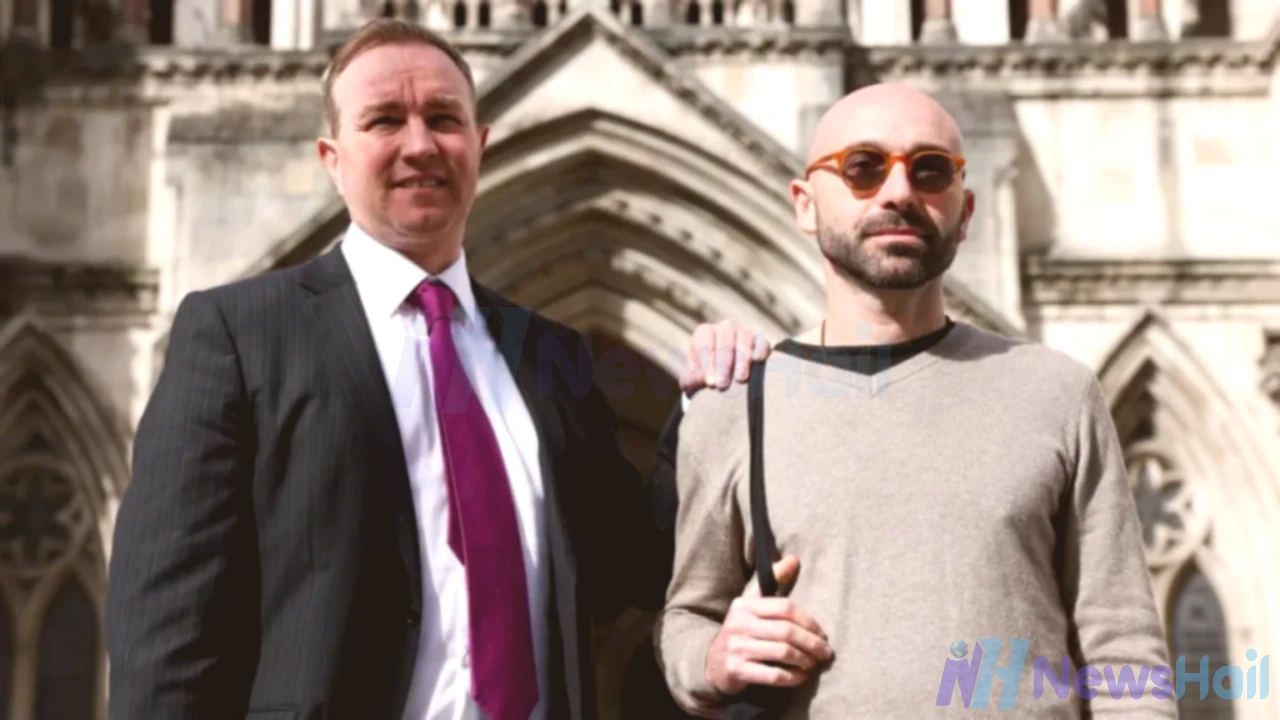
Two former bankers are waiting for a big court ruling. They say they were blamed for something others did too—and much worse.
Tom Hayes and Carlo Palombo were found guilty of fixing interest rates called Libor and Euribor. These rates are used to set costs on loans and mortgages around the world.
Tom Hayes used to work for UBS, a Swiss bank. In 2015, he was called the leader of a big fraud. He went to jail for 14 years. Carlo Palombo worked at Barclays and also went to jail. They were two of 37 traders taken to court. Nineteen were found guilty. Nine went to prison.
The traders said they did what many others did. They told cash traders to pick a “high” or “low” rate from a real range. That might help their banks make or save money. The move might change the final rate by a tiny amount—just 0.00125%. But even that could help with trades linked to those rates.
Prosecutors said this was cheating. They said Hayes and Palombo acted out of greed. The Serious Fraud Office (SFO) said it was fraud.
But the traders said this was normal. It had been done for years. They said they never gave false numbers—just picked real ones that helped the bank.
Later, the U.S. courts changed their minds. They said this was not a crime. All U.S. charges were dropped. But the traders are still guilty in the UK.
Now, the UK Supreme Court is looking at the case. The court may decide if earlier judges were wrong. If that happens, it could lead to all the other convictions being dropped too.
Politicians are also speaking out. They say the traders were made scapegoats. They want a public inquiry. They say bigger players—like central banks and top government officials—did much worse.
During the 2008 crash, evidence shows top officials asked banks to push rates down. That helped hide real problems in the system. These changes were much bigger—up to 50 times what the traders asked for.
But none of those people were charged.
The traders say this shows a double standard. They say what they did was small and common. Yet they went to jail, while top officials didn’t.
One of them, Palombo, says the whole case feels like a “Kafka nightmare.” Hayes says the rules changed after the fact—and that’s not fair.
At first, UK courts refused to hear more appeals. But after the U.S. cleared similar cases, the UK finally allowed this case to reach the Supreme Court.
The final ruling could change everything—not just for Hayes and Palombo, but for others too.


